

Table of Contents
How Images Are Replacing Keywords in Online Shopping
For decades, online shopping has been powered by words.
We typed “black dress under $100”, “white sneakers women”, or “minimalist blazer” into search bars and hoped the algorithm understood what we meant. Sometimes it did. Often, it didn’t. The gap between what we imagine and what search results deliver has long been one of ecommerce’s quiet frustrations.
But that gap is closing not because search got better at words, but because it’s learning to see.
Welcome to the era of visual search, where images are becoming the new language of online shopping.
From Keywords to Cameras
The shift is simple but profound: instead of describing a product, users can now show what they want.
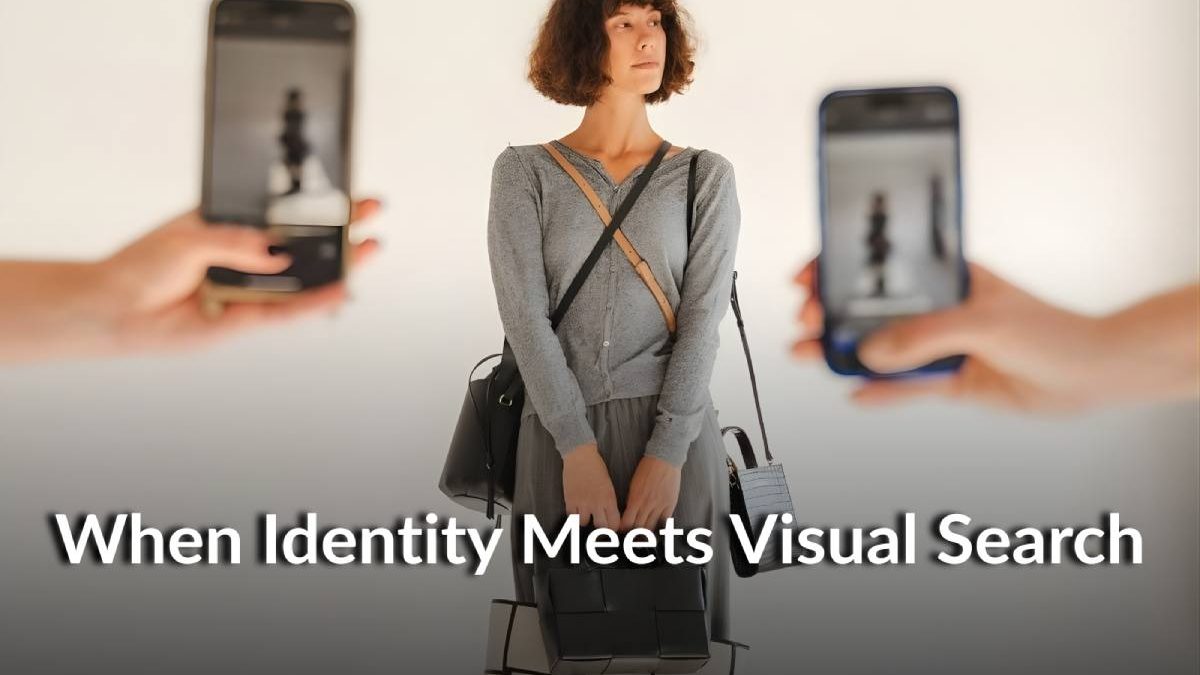
Snap a photo. Upload a screenshot. Circle a handbag in a social post. Visual search tools analyze the image and return similar items in seconds. What once required precise wording now takes a single tap.
This change reflects a deeper truth: humans think visually first. We recognize silhouettes, colors, textures, and proportions far faster than we can describe them. Trying to translate a mental image into keywords has always been an imperfect process.
Visual search removes that translation step entirely.
Why Keywords Were Never Enough
Traditional search relies on structured data and predictable language. But personal style, home decor, and aesthetic preferences rarely fit into neat categories.
Consider this scenario:
You see a soft beige trench coat on someone in a café. It’s not oversized, not tailored, just perfectly relaxed. Try searching for it.
Do you type:
- “beige trench coat women”
- “relaxed fit trench”
- “minimalist trench coat”
- “Parisian style coat”
Each phrase yields different results. None guarantee the coat you actually saw.
Visual search bypasses the guesswork. Instead of describing the coat, you show it.
The Technology Behind Visual Search
Visual search is powered by advances in computer vision and machine learning. These systems analyze images by breaking them into attributes such as:
- Color gradients
- Fabric texture
- Shape and silhouette
- Patterns and prints
- Proportions and fit
Rather than matching keywords, the system compares visual features to millions of indexed products. The result isn’t just similar items — it’s visually relevant ones.
Modern models can even distinguish nuances like:
- Structured vs. draped fabric
- Matte vs. satin finishes
- Cropped vs. full-length proportions
This level of understanding transforms search from literal to intuitive.
Why Visual Search Is Exploding Now
Visual search has existed in some form for years, but several shifts have accelerated its adoption:
- Social Media Is Image-First
Platforms like Instagram, Pinterest, and TikTok have trained users to discover products visually. People no longer start with search engines — they start with inspiration.
- Smartphone Cameras Are the New Search Bars
With high-quality cameras in every pocket, capturing inspiration in real time is effortless.
- Decision Fatigue Is Real
Endless scrolling through irrelevant results exhausts shoppers. Visual search reduces the noise by narrowing options instantly.
- Personalization Expectations Have Changed
Users now expect platforms to understand their taste, not just their keywords.
Real-World Use Cases
Visual search isn’t theoretical — it’s already reshaping how people shop.
Spotting a Look in the Wild
You see a perfectly styled outfit on your commute. Instead of trying to remember details, you snap a photo and find similar pieces before you reach your stop.
Screenshot Shopping
A celebrity outfit, a Pinterest pin, a friend’s Instagram story — screenshots have become shopping lists. Visual search turns them into product matches.
Refining Style Preferences
Users can start with an image and refine results by color, price, or fit, creating a conversational discovery process rather than a static search.
How Visual Search Changes Consumer Behavior
The shift from text to images is more than a convenience — it’s reshaping expectations.
Shopping Becomes Exploratory
Instead of hunting for a specific item, users explore visually similar styles, discovering options they wouldn’t have thought to search.
Style Confidence Increases
Seeing visually matched results helps users trust that what they buy aligns with their taste.
Fewer Returns, Better Matches
When shoppers find items closer to their original inspiration, satisfaction increases and returns decrease.
The End of the Search Bar?
Not quite — but its role is changing.
Keywords won’t disappear, but they will become secondary to more intuitive inputs. The future of online discovery is less about typing the right words and more about showing what you mean.
In a world overwhelmed by options, visual search offers something rare: clarity.
It doesn’t ask users to think like algorithms.
It teaches algorithms to see like humans.
About the Author
This article was contributed by the team at Drezily.Drezily is an AI-powered fashion discovery platform that makes online shopping as intuitive as a conversation. Through its AI assistant, Zily, shoppers can upload images, describe styles, or refine results to compare prices and find personalized looks across top retailers.
Explore the future of visual and conversational shopping at https://www.drezily.com
Also read: Exploring 5 Digital Trends Shaping the Future of Gaming